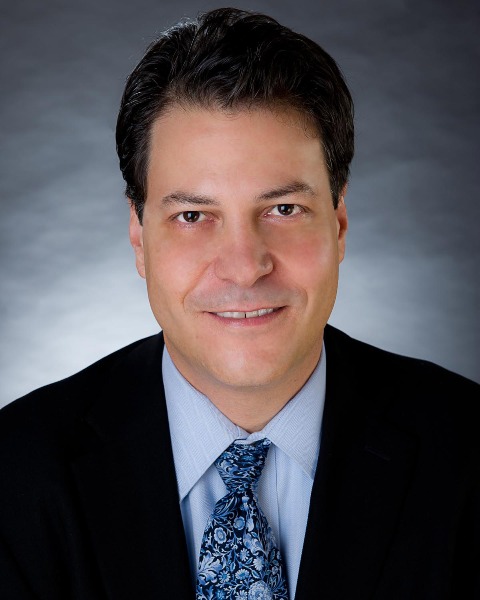
Chief Clinical Science Officer American Heart Association New York, New York, United States
We'll explore the many ways in which migraine and stroke interact, emphasizing bidirectionality of the relationship. After a case, we'll describe the epidemiological association between migraine, particularly with aura, and stroke and cardiovascular disease risk. Modifying factors, such as female sex, age, headache frequency, hypertension, smoking, and hormone therapy, will be considered. Mechanisms of stroke risk with migraine, including endothelial dysfunction, vasospasm, dissection, platelet dysfunction, paradoxical microemboli, and shared genetic and behavioral risk factors will be discussed. Specific scenarios—CADASIL and hemiplegic migraine--will be described. The effect of stroke on migraine will be discussed, including potential for stroke to trigger cortical spreading depression, vascular risk factor contributions to migraine, and whether stroke preventive therapies may influence migraine. We’ll end by presenting AHA funding opportunities.
Learning Objectives:
Describe the epidemiological association between migraine, with and without aura, and stroke.
List the postulated mechanisms for the association of migraine with stroke.
Recognize the clinical features of syndromes associated with both stroke and migraine, such as CADASIL, reversible cerebral vasoconstriction, and familial hemiplegic migraine.